Understanding the Sam Splint: A Comprehensive Overview
The Sam Splint is an essential piece of equipment in first aid, designed to immobilize fractures and support injured limbs effectively. It is remarkably versatile, making it a preferred choice among emergency responders and healthcare professionals alike. In Canada, the sam splint canada market is growing, reflecting the increasing awareness of the importance of having reliable first aid gear. This article delves into the various aspects of the Sam Splint, how it functions, its design features, and recent innovations that are shaping its use in emergency situations.
What is a Sam Splint?
The Sam Splint is a flexible, lightweight splint made from a closed-cell foam and aluminum that allows it to be molded to fit the contours of any limb. Initially developed for military use, it has become a vital tool in civilian emergency care. The splint can be used for various injuries, including fractures, sprains, and dislocations. Its unique ability to adapt to different shapes makes it a top choice for first responders and medical professionals.
How the Sam Splint Works for Injury Support
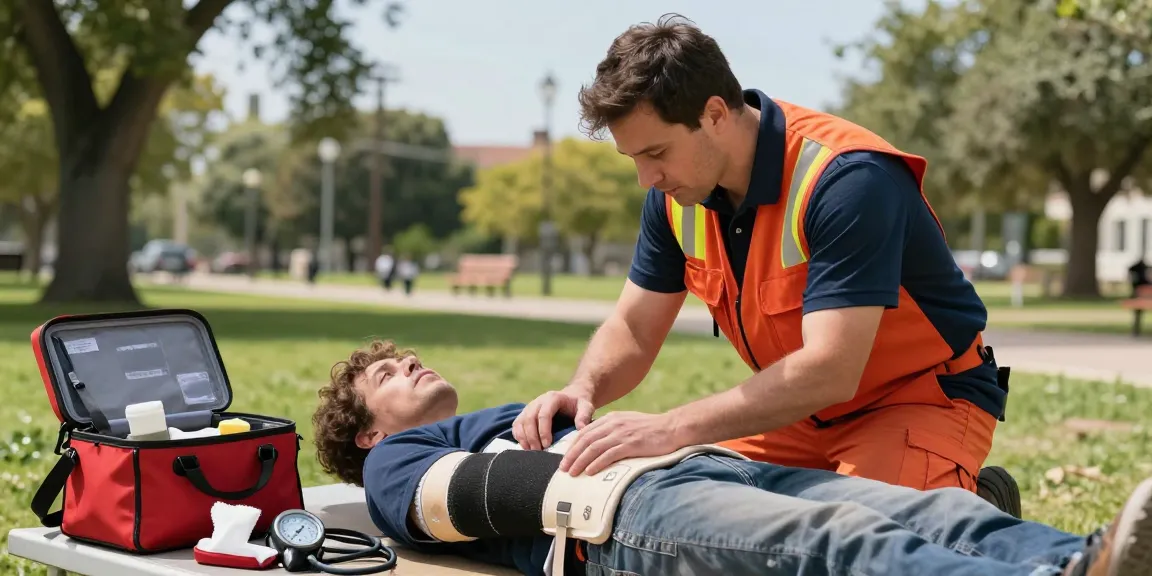
The primary function of the Sam Splint is to immobilize an injured limb, thus preventing further damage and alleviating pain. It achieves this by being molded around the injured area, providing both stability and support. To use a Sam Splint effectively, it is crucial to apply it correctly, ensuring that it immobilizes the joint above and below the injury site. This technique maximizes the splint’s effectiveness, promoting healing and comfort during transport.
Quality and Design Features of Sam Splints in Canada
Sam Splints are renowned for their durability and effectiveness. The materials used are not only lightweight but also waterproof and easy to clean, making them suitable for use in various environments, from outdoor adventures to urban settings. In Canada, users appreciate the ergonomic design that allows for quick application, which is critical in emergency scenarios.
Recent Innovations in Sam Splints for 2026
As the medical field continues to evolve, so does the design and functionality of the Sam Splint. Recent advancements have focused on making these splints lighter, more durable, and easier to use, reflecting the growing needs of first responders.
Material Advancements: Lightweight and Durable Options
The latest Sam Splints utilize state-of-the-art materials that are not only lighter but also stronger than previous versions. Innovations in composite materials have allowed for the creation of splints that maintain flexibility while offering superior strength, crucial for immobilizing severe fractures.
Integrated Features for Enhanced User Experience
New designs include integrated straps and padding, which streamline the process of securing a splint in place. These features enhance user experience by making application faster and more secure, particularly in high-pressure situations.
Comparison with Traditional Splinting Methods
Unlike traditional wooden or rigid metal splints, Sam Splints are modular and can be cut to size, offering a personalized fit for different injuries. They are better suited for dynamic, field applications where quick access to first aid is essential. Sam Splints also eliminate the need for multiple splint sizes, simplifying inventory for emergency responders.
Practical Application of Sam Splints in Emergency Scenarios
The successful deployment of the Sam Splint in real-world scenarios demonstrates its value in emergency medicine. Proper training and understanding of best practices ensure that responders can utilize this tool effectively.
Best Practices for Effective Use in Field Conditions
To ensure the best results when using a Sam Splint, responders should follow a few key practices:
- Assess the injury thoroughly before applying the splint.
- Mold the splint to fit the contours of the limb carefully.
- Secure the splint with straps, ensuring that it holds the limb immobile without cutting off circulation.
- Monitor the patient for any signs of discomfort or complications.
Real-Life Case Studies: Sam Splint Success Stories
Numerous case studies highlight the effectiveness of the Sam Splint in emergency medicine. For instance, during a community sports event, a participant suffered a suspected fracture. Emergency responders quickly applied a Sam Splint to stabilize the injury and transported the athlete for further care. This rapid response not only reduced the pain but also prevented further injury, demonstrating the splint’s critical role in emergency care.
Training Recommendations for Emergency Responders
Training programs for emergency responders should include hands-on simulations using Sam Splints. These scenarios help build confidence and competence in splint application, ultimately improving patient outcomes. Regular refreshers on the best practices for splinting can make a significant difference in real emergency situations.
Challenges and Misconceptions Surrounding Sam Splints
Despite their advantages, several misconceptions and challenges exist in the use of Sam Splints. Addressing these can improve their adoption and application in emergencies.
Common Misunderstandings about Splint Use
One common misunderstanding is that splints are only necessary for fractures. In reality, they can provide essential support for sprains, strains, and other soft tissue injuries. Furthermore, some responders may believe that splinting is always a time-consuming process, but with proper training, it can be executed quickly and efficiently.
Overcoming Hesitations in Emergency Situations
Hesitation can occur in high-pressure scenarios, leading to delays in treatment. Encouraging quick decision-making through simulated training can help responders feel more confident in their ability to use a Sam Splint effectively. Decision trees and guidelines can serve as useful tools to help responders act swiftly when confronted with injuries.
Expert Insights on Best Practices and Techniques
Experts recommend that responders familiarize themselves with the Sam Splint’s versatility and applications extensively. Learning to recognize different types of injuries and understanding how to adapt the splint accordingly can greatly improve patient care. Continuous education in emergency response techniques is vital for maintaining the highest standards of care.
The Future of Sam Splints: Trends and Predictions
Looking forward, the future of Sam Splints appears promising, with many trends anticipated to shape their development in the coming years.
Emerging Technologies in First Aid Equipment
Emerging technologies such as smart textiles and augmented reality may soon influence the design of Sam Splints. Smart fabrics that monitor vital signs and provide real-time feedback could revolutionize how first aid is administered, making it safer and more effective.
Projections for Sam Splint Development Beyond 2026
Future developments are expected to focus on enhancing the splint’s functionality through technology integration. Features such as built-in support for telehealth consultations could bridge the gap between initial care and subsequent medical attention.
Industry Insights: Adapting to New Medical Standards
The medical field continually evolves, prompting first aid equipment to adapt to new standards and guidelines. The Sam Splint industry will need to stay aligned with best practices in emergency medicine, ensuring that it remains an essential tool for responders.
What types of injuries are ideal for using a sam splint?
Sam Splints are particularly useful for injuries involving fractures, sprains, and dislocations. Their adaptability makes them suitable for both upper and lower extremities, providing stability and support where needed.
How to properly secure a sam splint on a patient?
To securely fasten a Sam Splint, mold it to the affected limb while ensuring it covers the joint above and below the injury. Utilize straps or bandages to keep the splint in place, monitoring circulation and comfort throughout.
Where to purchase sam splints in Canada?
Sam Splints are widely available through medical supply stores, online merchants, and specialized first aid suppliers in Canada. It’s advisable to verify the authenticity of the products and ensure that they meet relevant safety standards.
What are the key benefits of using a sam splint?
The key benefits of utilizing a Sam Splint include its lightweight and flexible design, easy application, and the ability to mold to various limb shapes. These features enhance patient comfort and promote optimal healing conditions.
Are there any alternatives to the sam splint for stabilization?
While Sam Splints are highly effective, alternatives include rigid splints like the Air Splint or inflatable options. Each type has its strengths, and the choice often depends on the specific circumstances of the injury.